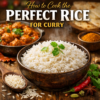
How to Cook the Perfect Rice for Curry
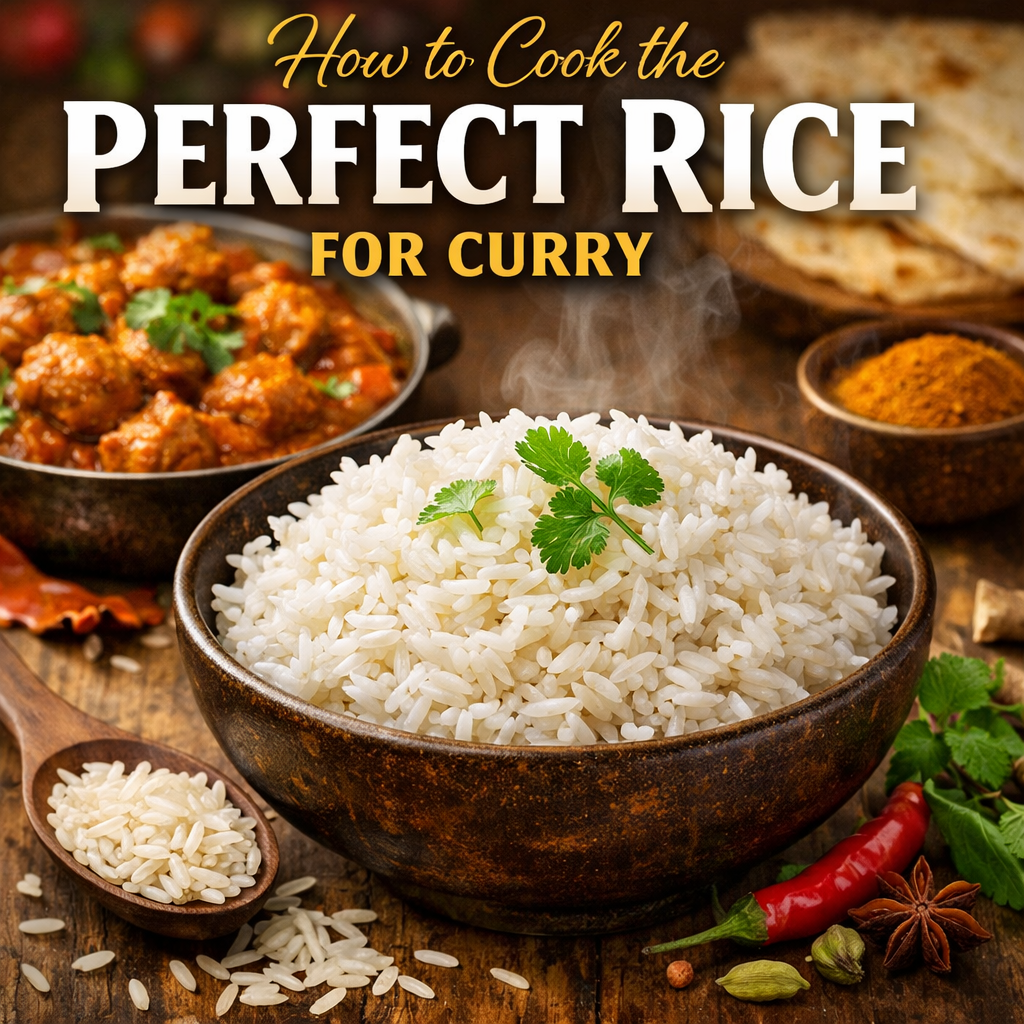
A good curry deserves properly cooked rice. When the rice is light, fluffy, and well balanced, it carries the curry beautifully without becoming soggy, sticky, or heavy. Get it wrong, and even the best curry can feel less enjoyable.
The good news is that cooking perfect rice for curry is not difficult once you understand a few basics. Whether you are using basmati, jasmine, white rice, or brown rice, the goal is the same: separate, tender grains that complement the curry rather than compete with it.
Why Rice Matters with Curry
Rice is not just a filler on the plate. It plays an important role in the meal. The right rice absorbs the curry sauce, balances spice, and gives the dish structure. Different rice varieties also pair better with different styles of curry.
Basmati is often the first choice for many curry lovers because it is light, aromatic, and naturally fluffy. Jasmine rice is softer and slightly stickier, making it a good match for saucier dishes. Plain white rice is dependable and neutral, while brown rice offers a nuttier, heartier texture for those who prefer whole grains.
Best Rice for Curry
Basmati Rice
Basmati is one of the best rice choices for curry. It has long grains, a delicate aroma, and a fluffy finish when cooked properly. It works especially well with rich, spicy, and traditional curry dishes.
Jasmine Rice
Jasmine rice is fragrant and soft, with a slightly stickier texture than basmati. It is well suited to milder curries or dishes with a lot of sauce.
White Rice
Standard white rice is versatile and widely used. Its mild flavour makes it a good all-round choice if you want the curry itself to stand out.
Brown Rice
Brown rice is chewier and more robust, with a nuttier taste. It is a good option if you want a wholegrain alternative, although it takes longer to cook and is heavier than white rice.
Golden Rules for Cooking Rice for Curry
Before looking at the specific rice types, there are a few rules that improve your results every time:
- Rinse the rice before cooking to remove excess starch.
- Use the correct water-to-rice ratio.
- Avoid stirring the rice while it cooks.
- Keep the heat low once it reaches a simmer.
- Let the rice rest before fluffing it.
These simple steps help prevent sticky, mushy, or unevenly cooked rice.
How to Cook Basmati Rice for Curry
Basmati rice is usually the best choice if you want a classic curry side.
Ingredients
- 1 cup basmati rice
- 1½ to 1¾ cups water
- Pinch of salt, optional
- 1 teaspoon butter, ghee, or oil, optional
Method
- Rinse the basmati rice under cold water until the water runs mostly clear.
- Soak the rice for 20 to 30 minutes for better texture and longer grains.
- Drain well.
- Add the rice and water to a pot.
- Bring to the boil.
- Reduce the heat to low, cover, and cook gently for 10 to 12 minutes.
- Remove from the heat and leave covered for 5 to 10 minutes.
- Fluff gently with a fork before serving.
Properly cooked basmati should be light, fragrant, and separate, making it ideal for curry. The original article recommends rinsing and soaking for even cooking and fluffier grains.
How to Cook Jasmine Rice
Jasmine rice is softer and more delicate than basmati.
Ingredients
- 1 cup jasmine rice
- 1¼ to 1½ cups water
Method
- Rinse the rice once or twice.
- Soak for about 20 to 30 minutes if desired.
- Add the rice and water to a pot.
- Bring to the boil.
- Lower the heat, cover, and simmer until the water is absorbed.
- Let it rest, covered, before fluffing and serving.
Jasmine rice is especially good with lighter, gravy-rich curries.
How to Cook White Rice for Curry
White rice is simple and reliable.
Ingredients
- 1 cup white rice
- 1¾ to 2 cups water
Method
- Rinse the rice if desired.
- Add rice and water to a pot and bring to the boil.
- Reduce the heat, cover, and simmer until the water is absorbed.
- Remove from the heat and let it rest.
- Fluff before serving.
If you want a slightly firmer texture for curry, use a little less water.
How to Cook Brown Rice
Brown rice needs more time and more water because of its outer bran layer.
Ingredients
- 1 cup brown rice
- 2½ to 3 cups water
Method
- Rinse the rice.
- Soak for a few hours if possible.
- Add the rice and water to a pot.
- Bring to the boil.
- Cover and simmer until tender.
- Rest before fluffing and serving.
Brown rice pairs best with hearty, earthy curry dishes.
Common Mistakes When Cooking Rice for Curry
Even good-quality rice can go wrong if the method is off. Some of the most common mistakes are:
- Using too much water
- Overcooking the rice
- Stirring too often
- Skipping the resting stage
- Cooking on too high a heat
These mistakes usually lead to mushy, sticky, or uneven rice.
How to Flavour Rice for Curry
Plain rice is often best because it lets the curry remain the star of the meal. But if you want a little extra flavour, you can cook the rice with:
- cardamom pods
- cinnamon stick
- cloves
- bay leaf
- broth instead of plain water
Used lightly, these additions can enhance the meal without overpowering it.
How to Store and Reheat Leftover Rice
Leftover rice should be cooled quickly and stored in an airtight container in the fridge. Reheat it thoroughly, adding a splash of water if needed to stop it drying out. For best quality and food safety, use it within 1 to 2 days.
Frequently Asked Questions
Do I need to rinse rice before cooking?
Usually yes. Rinsing removes excess starch and helps produce fluffier, less sticky rice.
Can I use a rice cooker?
Yes. A rice cooker works well for basmati, jasmine, white, and brown rice. You just need to adjust the water ratio to match the rice type and the cooker instructions.
Why does my rice turn sticky?
Sticky rice usually happens because of too much starch, too much water, or too much stirring during cooking.
What is the best rice for curry?
For most curry dishes, basmati rice is the best all-round choice because it is aromatic, fluffy, and pairs especially well with rich curry flavours.
Can I flavour rice for curry?
Yes, but keep it subtle. Gentle flavours like cardamom, cinnamon, cloves, or broth can work well without clashing with the curry.
Final Thoughts
Cooking the perfect rice for curry comes down to a few simple principles: choose the right rice, rinse it properly, use the right amount of water, and do not rush the resting stage. Once you get those basics right, your curry meals improve immediately.
For most people, basmati is the best rice for curry. It is fluffy, fragrant, and ideal for carrying rich sauces. But jasmine, white rice, and brown rice all have their place depending on the style of dish you are serving.
DIABETICS: Learn how to cook rice so that it does not spike your blood sugar.